If you’ve started researching new windows, you’ve probably discovered there isn’t just one type of uPVC window. From traditional sash-style replacements to sleek flush casements, the uPVC window types available today can suit almost any property, whether you’re renovating a Victorian terrace or updating a new-build home.
Getting this choice right matters more than most homeowners realise. The wrong window style can clash with a period façade or undersell the clean lines of a modern extension, and it can also affect thermal performance, security and how much natural light floods into a room. In this guide, we’ll walk through the main types of uPVC windows on the market, how to match a style to your property, and what to consider before you commit.
What Are the Main Types of uPVC Windows Available Today?
uPVC windows aren’t a single product. They’re a category that covers several distinct opening mechanisms and frame designs, each engineered for a different look and function. The most common types you’ll come across include:
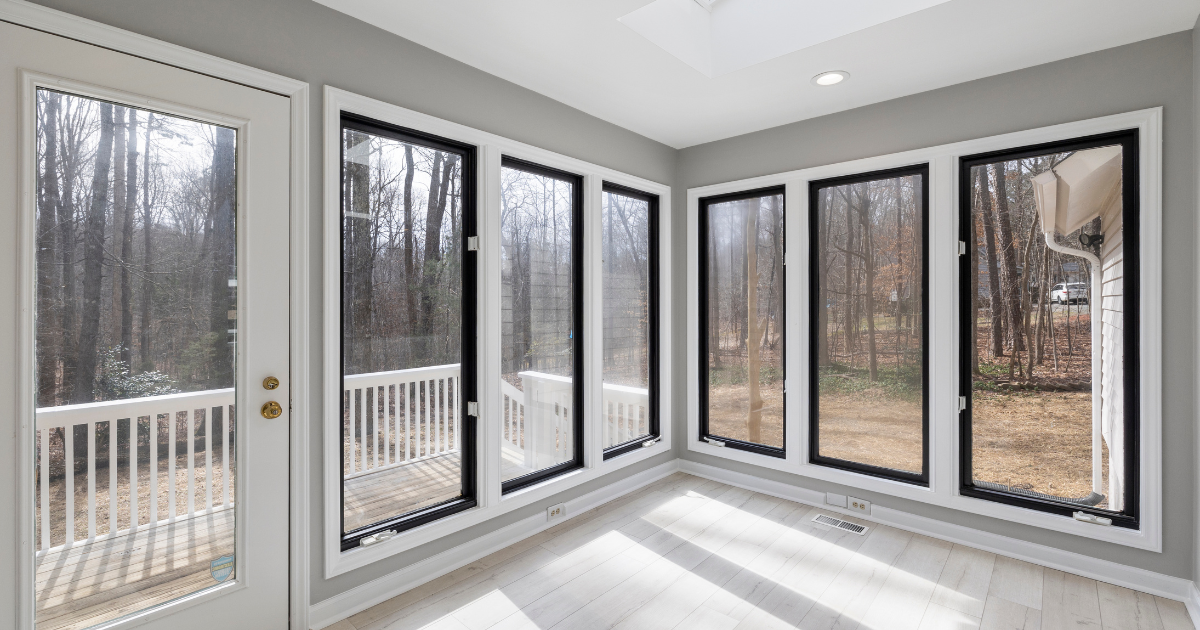
- Casement windows – hinged at the side and opening outward, the most popular uPVC window style in the UK
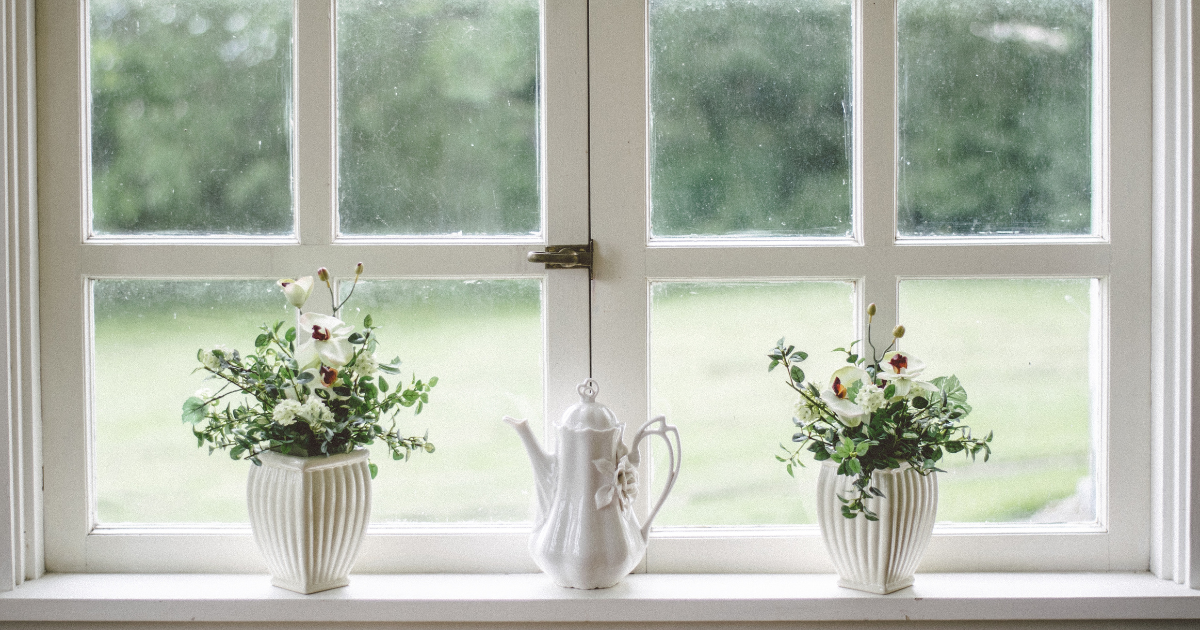
- Flush casement windows – a refined casement design that sits flush within the frame for a timber-look finish
- Sash windows – vertically sliding panes designed to replicate traditional timber sash windows
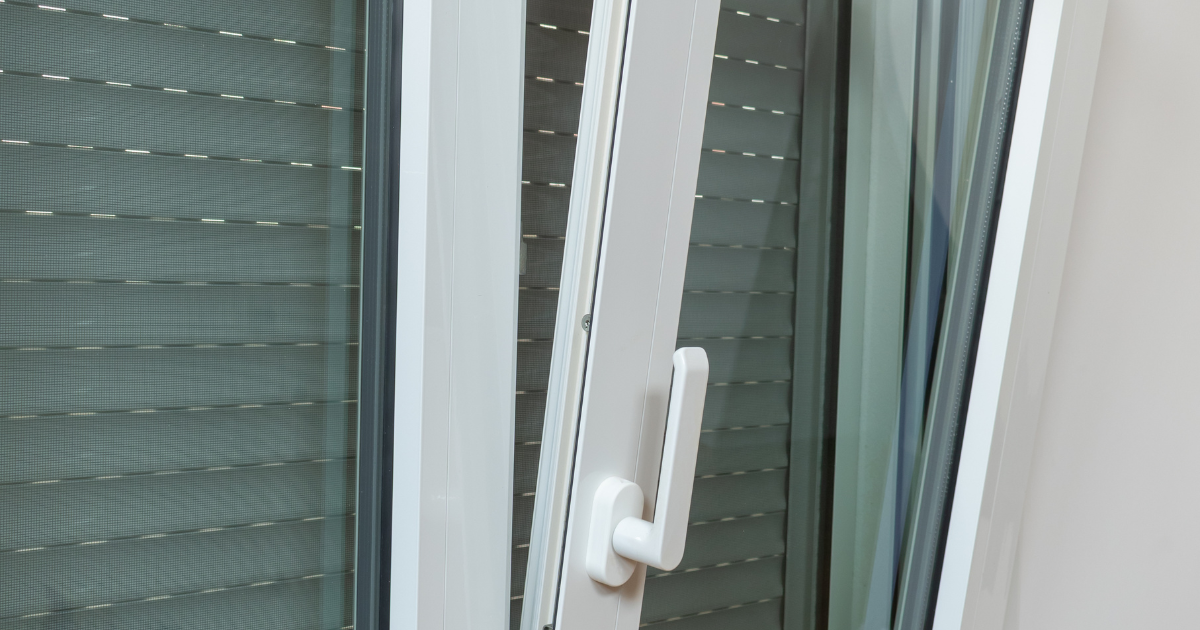
- Tilt and turn windows – a dual-function window that tilts inward for ventilation or turns fully open for cleaning and escape
- Bay and bow windows – multi-panel configurations that project outward from the wall
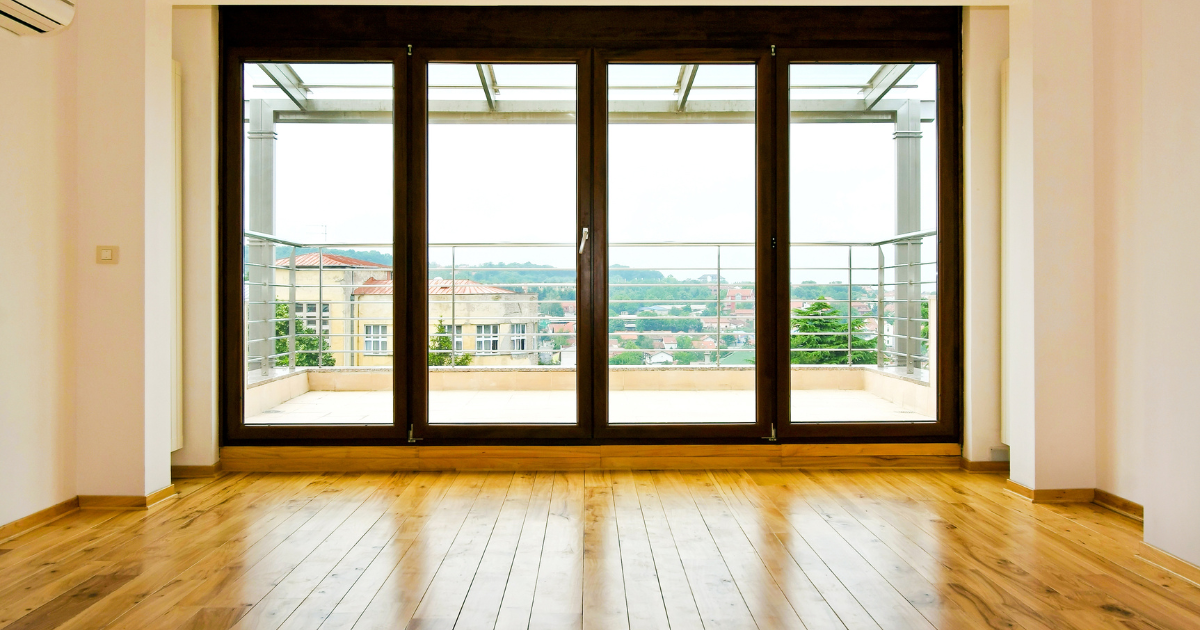
- Fixed (non-opening) windows – used purely for light and views, often paired with opening windows in a larger frame
Each of these serves a different purpose, and the right one for your home depends on your property’s age, architectural style and how you use the room.
Casement Windows: The Most Popular uPVC Window Style in the UK
Casement windows remain the go-to choice for the vast majority of UK homeowners, and it’s easy to see why. They’re versatile, cost-effective, energy-efficient and available in an enormous range of colours and finishes. Hinged at one side, they open outward like a door, giving you full, unobstructed ventilation when needed.
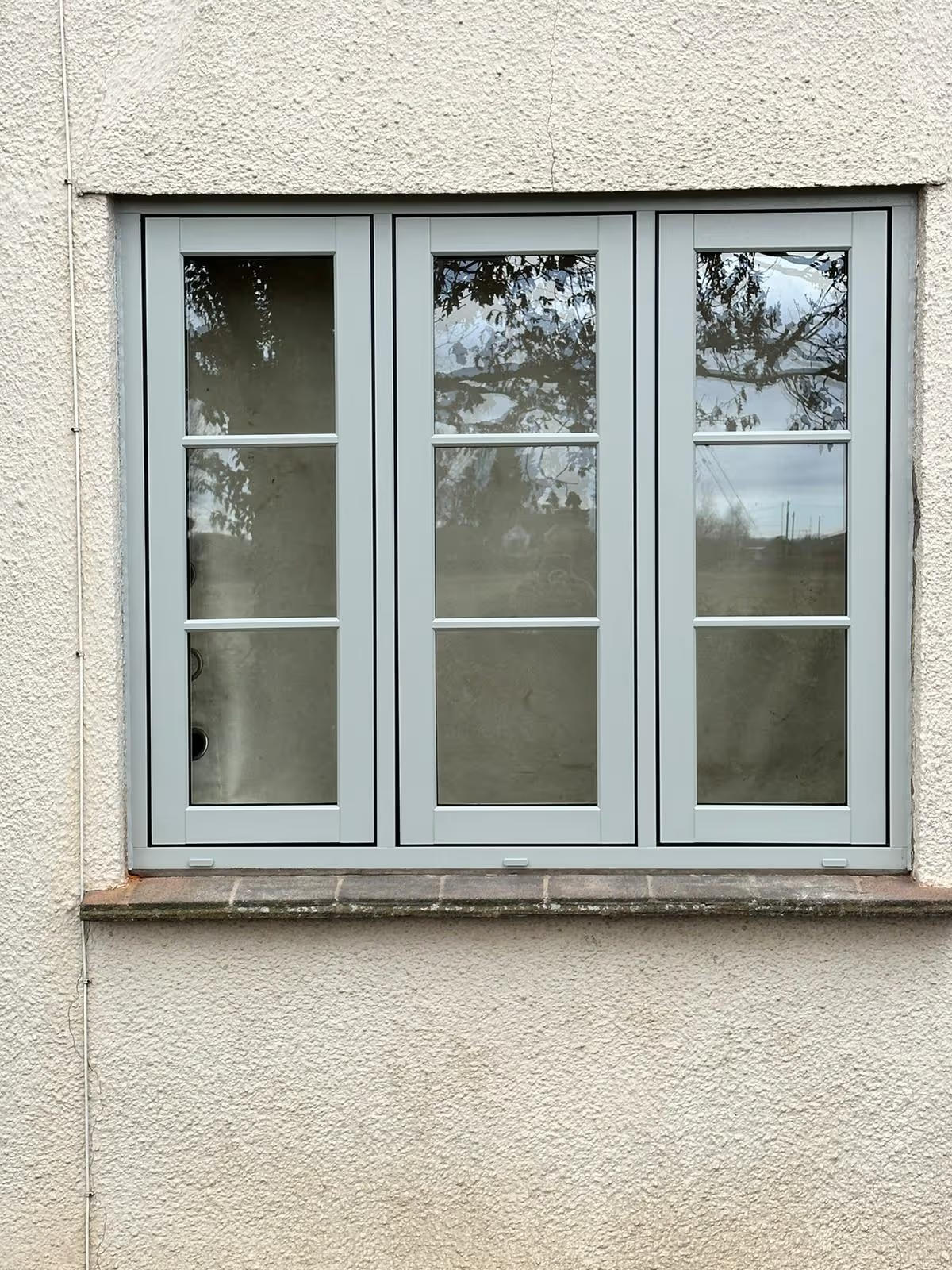
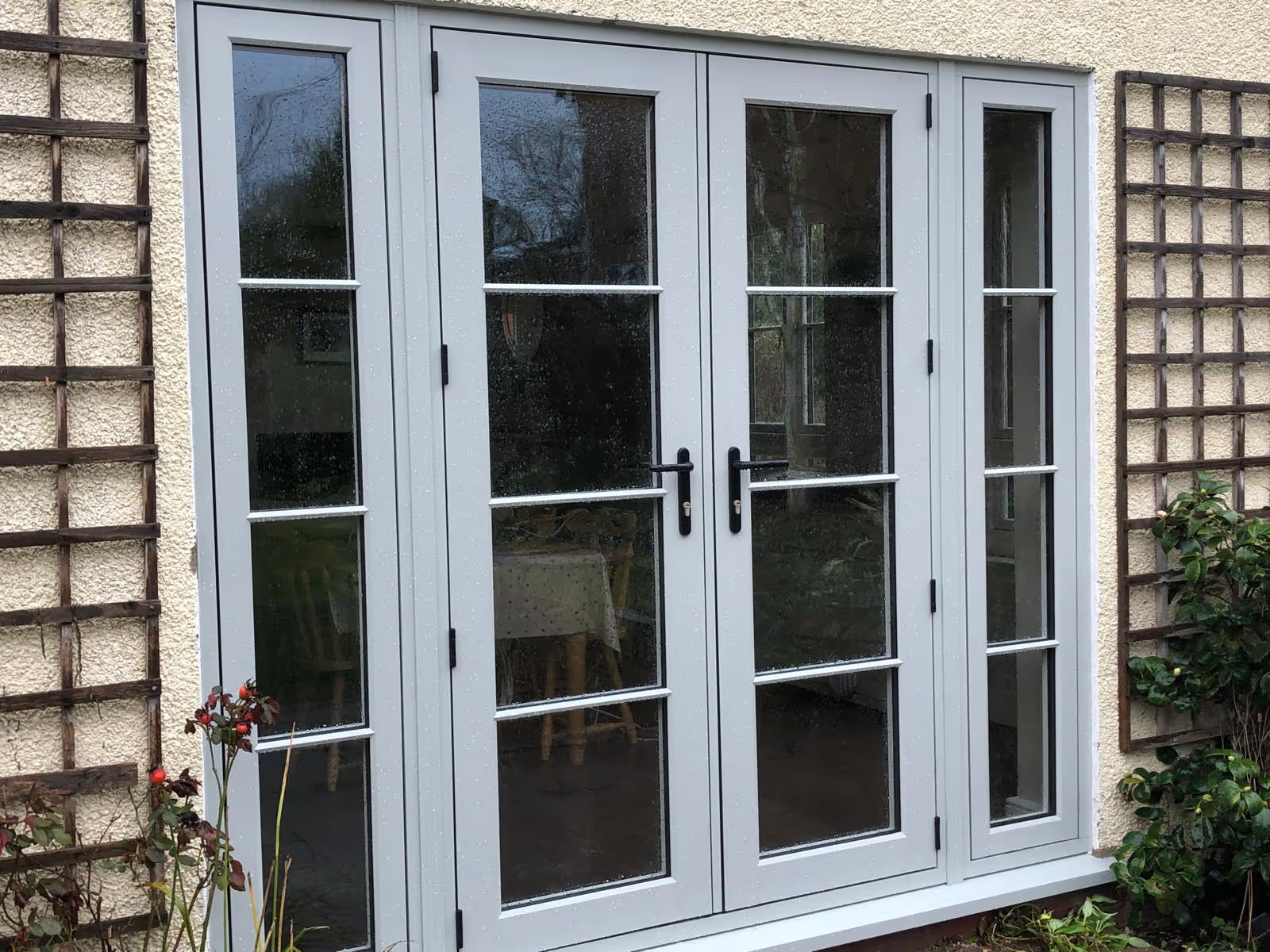
Within the casement family, flush casement windows have become particularly popular for period and character properties. Unlike a standard casement, which sits proud of the frame, a flush casement sash sits level with the surrounding frame, mimicking the timber windows found on Georgian, Victorian and Edwardian homes. If you’re renovating an older property and want modern performance without losing kerb appeal, flush casements are usually the strongest option.
uPVC Sash Windows: A Traditional Look With Modern Performance
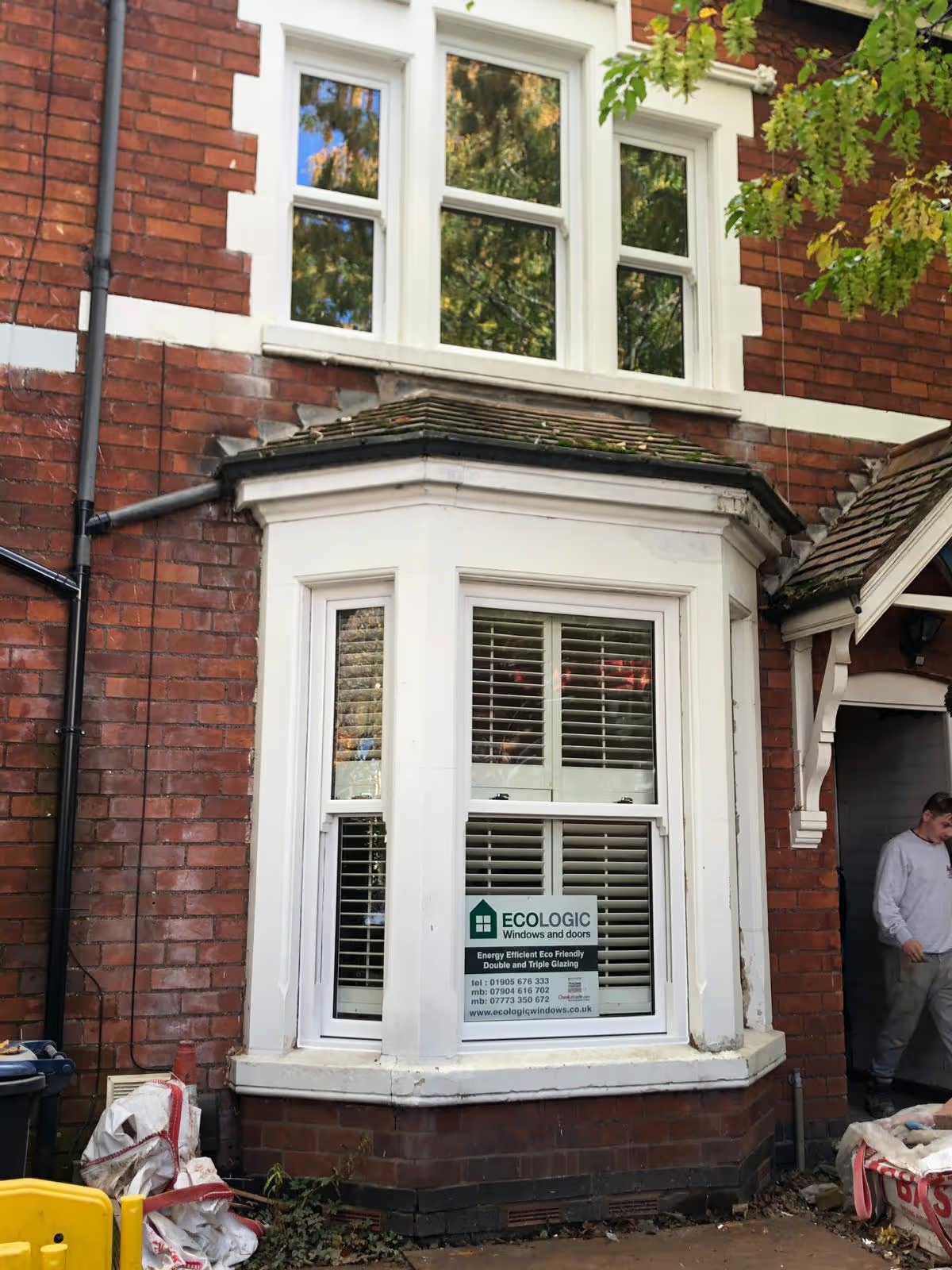
For homeowners in conservation areas or period properties, uPVC sash windows offer a way to preserve a traditional aesthetic while gaining all the benefits of modern glazing. These windows slide vertically rather than opening outward, replicating the classic look of timber box sash windows without the ongoing maintenance, draughts or security concerns that older timber frames often bring.
Vertical sliding sash uPVC windows are particularly well suited to Victorian and Georgian terraces, where planning restrictions may require you to retain the original window style. Many manufacturers now produce sash uPVC windows with authentic horns, slim sightlines and traditional glazing bars, so the difference from timber is barely noticeable from the street.
Tilt and Turn Windows: Practical Ventilation and Easy Cleaning
Tilt and turn windows are a dual-opening design that’s grown in popularity across both modern and renovated properties. As the name suggests, the window can tilt inward from the top for secure, controlled ventilation, or turn fully open on a side hinge for full access, cleaning, or use as an emergency exit.
This makes tilt and turn windows a practical choice for upper floors, bathrooms and bedrooms, where you want the flexibility of gentle airflow without opening the window wide. They’re also a popular option for contemporary and new-build homes thanks to their clean, minimal frame lines.
Bay and Bow Windows: Adding Space, Light and Character
If you’re looking to make more of a design statement, bay and bow windows extend outward from the wall, creating additional interior space, a wider field of view and considerably more natural light. Bay windows are typically made up of three panels set at angles, while bow windows use a curved configuration of four or more panels for a softer, rounded profile.
These are particularly effective in living rooms, dining rooms and period properties where a bay window was part of the original architecture. Because they combine multiple window units into one structure, it’s worth having your uPVC window company assess structural requirements and existing brickwork before installation.
Which uPVC Window Type Suits a Period Property?
Period properties come with their own set of considerations, particularly around aesthetics and, in some cases, conservation area restrictions. For these homes, the priority is usually maintaining a traditional appearance while gaining modern thermal efficiency. In most cases, this points towards:
- Flush casement windows for Georgian, Victorian and Edwardian terraces
- Vertical sliding sash windows where the original property featured sash windows
- Woodgrain or heritage colour finishes rather than standard white uPVC, to better match the period aesthetic
Always check whether your property sits within a conservation area or is listed before committing to a window style, as this can affect what’s permitted.
Which uPVC Window Type Suits a Modern Home?
Modern and new-build properties generally have more flexibility, since there’s no existing period detailing to match. Here, the priority tends to shift toward performance, clean lines and functionality:
- Standard casement windows for cost-effective, high-performing everyday use
- Tilt and turn windows for bedrooms, bathrooms and upper floors where controlled ventilation matters
- Large fixed panes combined with opening casements to maximise light in open-plan living spaces
Because modern homes often prioritise energy efficiency and low maintenance, it’s also worth discussing multi-chambered profiles and A-rated glazing with your installer, regardless of which style you choose.
Ready to Find the Right uPVC Windows for Your Home?
Ultimately, the best uPVC window type for your property comes down to three things: how the window needs to function, what the surrounding architecture demands, and how much daylight and ventilation you want from the room in question. A period cottage and a contemporary extension will rarely call for the same window style, and getting professional advice early can save you from a costly mismatch further down the line.
At Ecologic Windows, we work with homeowners across a wide range of property types, from Victorian terraces requiring flush casement or sash-style replacements, to modern new-builds looking for high-performance tilt and turn or casement windows. Our team can talk you through the styles best suited to your home, your budget and any planning considerations, and provide a clear, no-obligation quote.
Get in touch with Ecologic Windows today to discuss which uPVC window type is right for your home, and request your free, no-obligation quote.

%20Ashley%20Smith.jpg)

%20Ashley%20Smith.jpg)
%20Ashley%20Smith.avif)
%20Ashley%20Smith.avif)
%20Ashley%20Smith.avif)
%20Ashley%20Smith.avif)